Why Structural Detailing Is the Backbone of Every Safe Building??
Understanding Structural Detailing
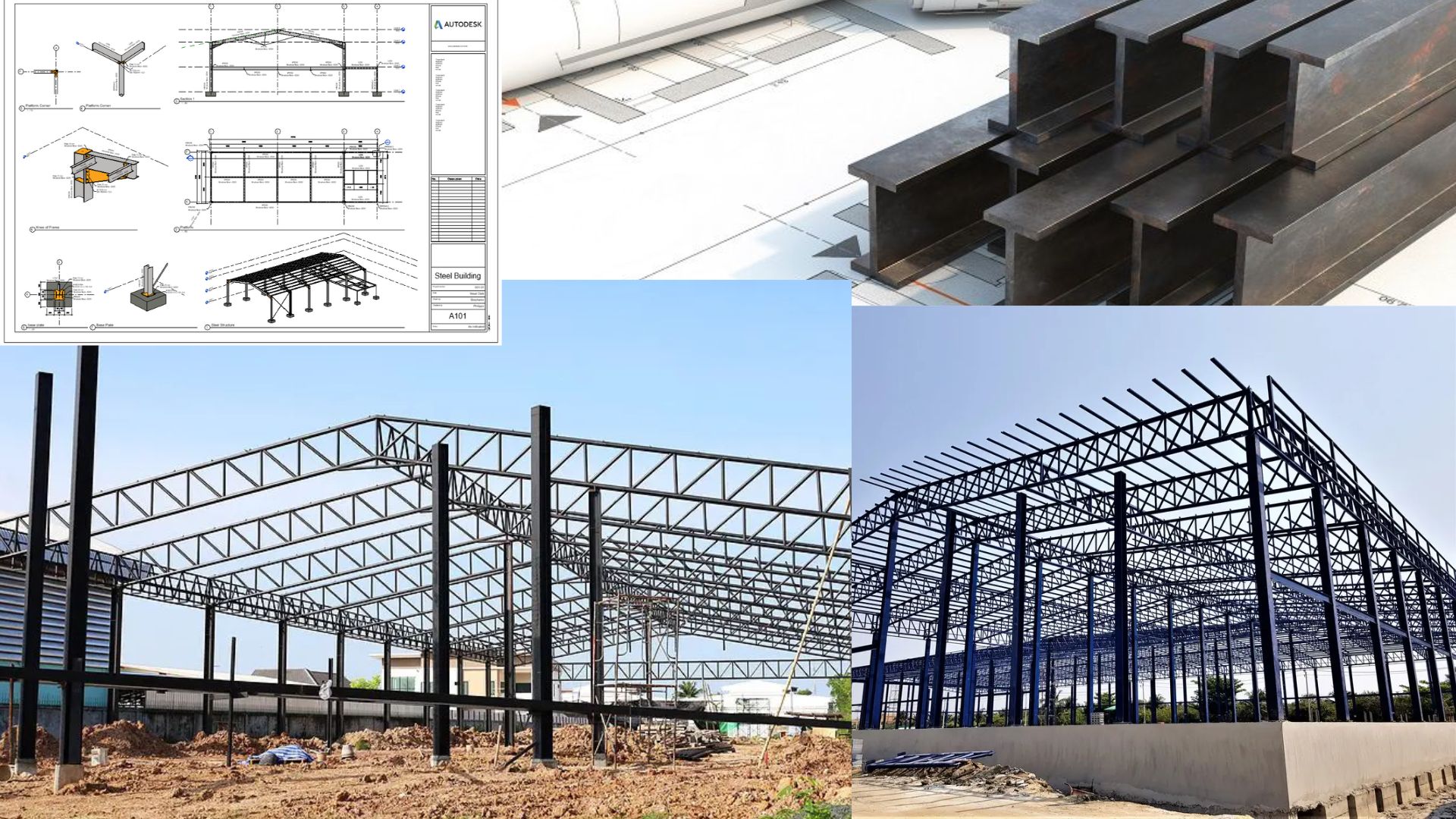
Structural detailing is one of the most crucial processes in the construction industry, yet it often goes unnoticed by the general public. It transforms engineering concepts into build-ready drawings that show contractors exactly what to place, where to place it, and how structural elements should connect. Without proper detailing, even the most well-planned structure can encounter challenges during construction.
Ensuring Safety and Stability
Safety is the top priority in any building project, and structural detailing plays a key role in ensuring it. Every beam, column, rebar, and connection must be accurately detailed to transfer loads correctly throughout the structure. A minor mistake in detailing can create major issues on site, compromising both safety and structural performance.
Reducing Construction Errors
Clear detailing significantly reduces errors during construction. When workers have precise drawings, there is less confusion, fewer chances of misinterpretation, and minimal need for rework. This leads to smoother execution and prevents costly delays caused by unclear or incomplete information.
Saving Time and Material Costs
Well-prepared structural drawings help construction teams work faster and more efficiently. Material wastage is minimized because every component is calculated and planned in advance. This not only saves time but also helps keep the overall project cost under control.
Improving Coordination Between Teams
Structural detailing acts as a communication bridge between architects, engineers, fabricators, and contractors. It ensures every team member has the same understanding of the project. This coordination helps prevent conflicts, avoids design clashes, and keeps the project aligned from start to finish.
The Role of Modern Tools in Accuracy
Advanced software and modeling tools have transformed the detailing process. With the help of 2D drafting and 3D modeling, engineers can detect errors early, visualize structural behavior, and deliver highly accurate drawings. This results in safer structures and more efficient construction.
Impact on Steel and RCC Structures
In steel structures, detailing provides critical information such as member sizes, bolt arrangements, weld details, and fabrication instructions. In RCC structures, detailing ensures proper rebar spacing, correct overlaps, anchorage lengths, and reinforcement placement. These details are essential for durability and long-term performance.
Conclusion: The Foundation of Safe Construction
Structural detailing truly is the backbone of every safe building. It ensures that the engineer’s design is translated into a strong, stable, and long-lasting structure on-site. Without detailed drawings, even the best designs may fail during execution. That’s why choosing a professional structural design consultancy is vital for any project — it guarantees accuracy, safety, and confidence from planning to completion.