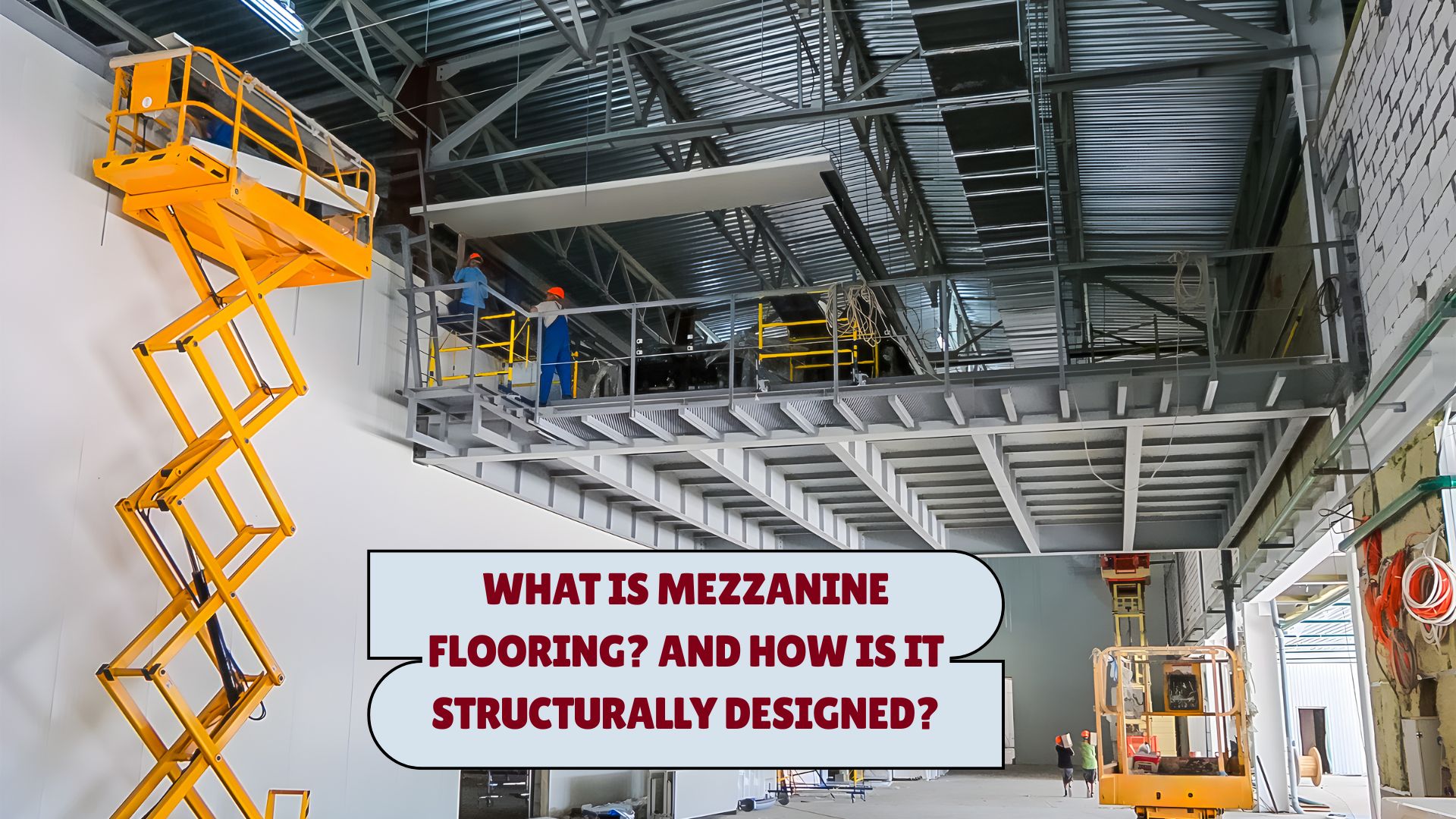
What Is Mezzanine Flooring and How Is It Structurally Designed?
Mezzanine flooring is an intermediate floor installed between the main floors of a building to create additional usable space without expanding the building footprint. It is widely used in industrial, commercial, warehouses, offices, and showrooms to maximize space efficiently. Proper structural design is essential to ensure safety, load capacity, and long-term performance.SDC – Structural Design Consultancy specializes in designing safe, efficient, and code-compliant mezzanine floor structures tailored to project requirements.
What Is Mezzanine Flooring?
A mezzanine floor is a raised platform supported by structural elements such as steel beams, columns, and decking systems. It is typically a semi-permanent structure and does not cover the entire floor area. Mezzanine floors are commonly used for:
Why Structural Design Is Important for Mezzanine Flooring
Mezzanine floors carry live loads, dead loads, equipment loads, and sometimes dynamic loads. Without proper structural design, they can pose serious safety risks. Professional design ensures:
Key Components of Mezzanine Floor Structural Design
1. Load Assessment
The first step is identifying design loads such as:
Correct load calculation is critical for a safe design.
2. Structural System Selection
Depending on usage and span, mezzanine floors may use:
Steel structures are preferred due to speed of construction and flexibility.
3. Beam, Column & Connection Design
All beams, columns, and connections are structurally designed to safely transfer loads to the main structure or foundation. Special attention is given to:
4. Foundation & Existing Structure Check
Before adding a mezzanine floor, the existing building’s capacity is evaluated. Columns and foundations must be checked to ensure they can handle additional loads.
5. Compliance with IS Codes
Mezzanine floor design follows relevant Indian Standards such as:
Code compliance ensures safety, durability, and approval readiness.
Advantages of Structurally Designed Mezzanine Floors
Why Choose SDC – Structural Design Consultancy?
SDC provides end-to-end structural design services for mezzanine flooring systems with a strong focus on safety and constructability.
Our Services Include:
We deliver clear, build-ready drawings and optimized designs for industrial and commercial projects.
Conclusion
Mezzanine flooring is an effective solution for adding space, but its success depends on proper structural design. Partnering with an experienced structural consultant like SDC – Structural Design Consultancy ensures your mezzanine floor is safe, efficient, and compliant with standards.
If you are planning a mezzanine floor for your project, consult SDC for reliable structural design support.