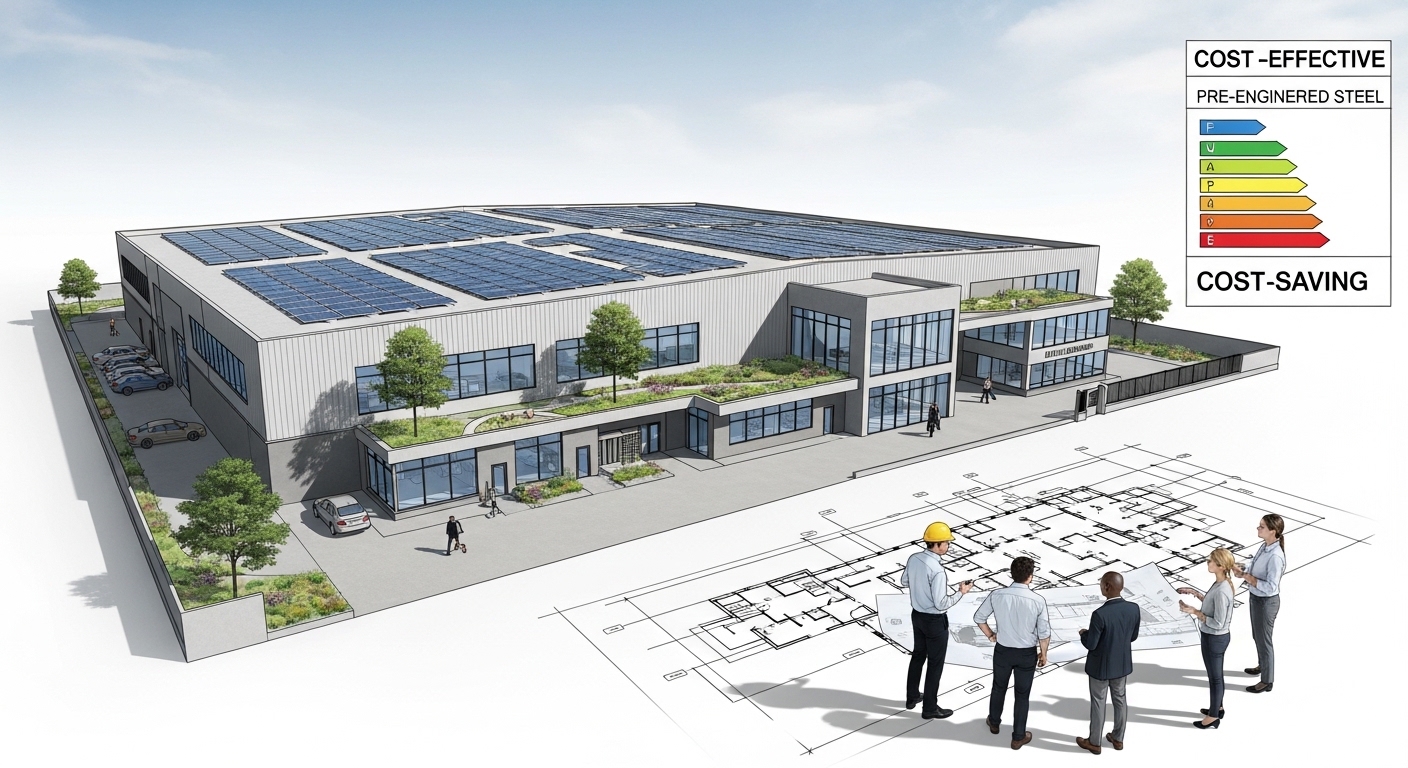
How to Plan a Cost-Effective Factory Building Structure in 2026
Planning a factory building structure is a critical step that directly impacts your project’s cost, efficiency, and long-term performance. A well-planned industrial structure not only reduces construction expenses but also improves operational productivity. With the right structural design consultancy and strategic planning, businesses can achieve durable, scalable, and budget-friendly factory buildings.
Understanding Project Requirements
The first step in planning a cost-effective factory is clearly defining your requirements. This includes production capacity, machinery layout, storage needs, and future expansion plans. A proper understanding helps avoid unnecessary design changes later, which can increase costs.Businesses often search for factory building design, industrial building planning, warehouse layout design, and factory construction services to align their project scope with practical execution.
Choosing the Right Structural System
Selecting the appropriate structural system is crucial for cost efficiency. Options like Pre-Engineered Buildings (PEB), steel structures, and RCC (Reinforced Cement Concrete) each have their own advantages. PEB structures are widely preferred for factories due to faster construction, lower material wastage, and flexibility. Keywords like PEB warehouse construction, steel structure factory, industrial shed design, and RCC vs steel building are commonly associated with this stage.
Optimizing Design and Layout
An optimized factory layout minimizes material usage and maximizes functionality. Efficient column spacing, proper ventilation, and smart space utilization can significantly reduce construction and operational costs. Search-friendly terms such as industrial layout planning, factory space optimization, efficient warehouse design, and cost-effective building design play an important role in improving visibility and relevance.
Material Selection and Cost Control
Choosing the right materials impacts both initial investment and maintenance costs. Steel structures are lightweight and quick to install, while RCC provides durability for certain applications. Using high-quality yet cost-efficient materials helps balance performance and budget. Keywords like construction material cost, steel building materials, durable industrial structures, and low-cost factory construction are essential in this context.
Working with a Structural Design Consultancy
A professional structural design consultancy ensures accurate load calculations, safety compliance, and optimized design solutions. Their expertise helps in reducing unnecessary expenses and avoiding costly errors. Businesses frequently look for structural design consultancy, industrial structural engineers, factory design experts, and structural engineering services to ensure project success.
Reducing Construction Time
Time is a major cost factor in factory construction. Faster project completion reduces labor costs and allows businesses to start operations sooner. Modern methods like prefabrication and PEB systems help achieve quicker timelines. Popular keywords include fast track construction, prefabricated factory building, quick industrial construction, and time-saving construction methods.
Energy Efficiency and Sustainability
Incorporating energy-efficient features such as natural lighting, proper insulation, and ventilation reduces long-term operational costs. Sustainable design also enhances the building’s value. Keywords like energy-efficient factory design, green industrial buildings, sustainable construction, and eco-friendly factory structures are increasingly important in modern construction.
Compliance and Safety Standards
Ensuring compliance with local building codes and safety standards avoids legal issues and future expenses. Proper structural design also ensures worker safety and long-term stability. Search terms such as industrial building safety standards, structural safety design, factory compliance regulations, and construction quality standards are relevant here.
Conclusion
Planning a cost-effective factory building structure requires a combination of smart design, proper material selection, and expert guidance. By partnering with an experienced structural design consultancy and focusing on efficiency, businesses can reduce costs while ensuring durability and performance. A well-executed plan leads to long-term savings and operational success.